
Sermon for Sunday, December 8, 2024 || Advent 2C || The Song of Zechariah (Luke 1:68-79)
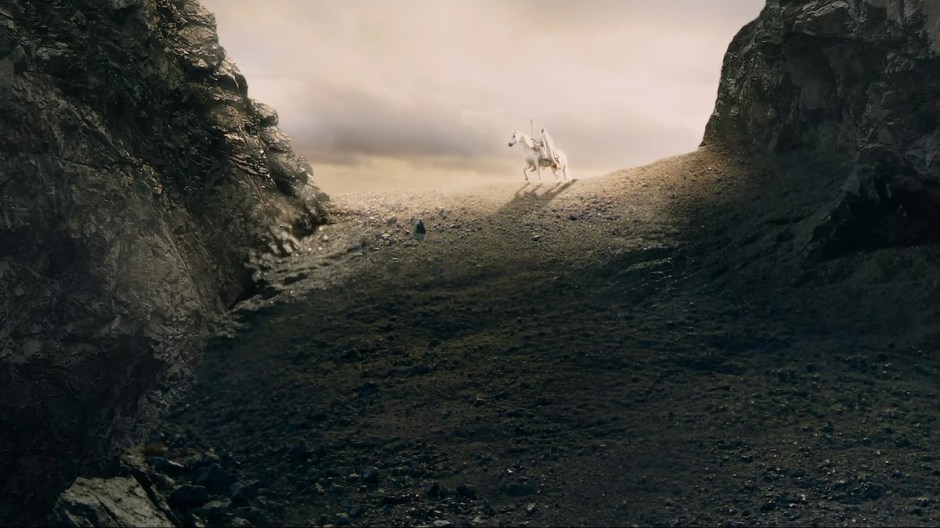
There’s a wonderful scene in the movie The Two Towers, which is the middle film of The Lord of the Rings Trilogy. I know I talk a lot about Star Wars in sermons, but my love for The Lord of the Rings is even greater than my love for Star Wars. So stick with me while I describe the scene. The people of Edoras have left their homes to take shelter in the great bastion known as Helm’s Deep. A few days before the flight to the supposedly impregnable fortress, the wizard Gandalf raced out of Edoras on his majestic steed Shadowfax in order to round up the cavalry spread across the country of Rohan. “Look to my coming at first light on the fifth day,” Gandalf told Aragorn. “At dawn, look to the east.”

“WheretheWind.com Sermon” on your podcast app of choice.
The vast army of orcs attacks Helm’s Deep on the fourth night since Gandalf’s departure. The battle is fierce and deadly. The defenders fight doggedly all night long from the walls, repelling wave after wave of orcs. But they cannot last forever. The walls are breached. The orcs swarm in. The defenders decide on one last desperate act of courage, and they ride out just before the break of day. As they ride, the sun crests the heights and Gandalf appears at the head of the charging cavalry of the Rohirrim. The sun blinds the surprised orcs, and the cavalry crashes through their ranks, leading to victory for the people of Rohan.
It’s a pretty exciting moment, especially after half the movie has taken place in the darkness, rain, and mud of the interminable battle. Okay, now that I’ve used up a quarter of my time describing this scene, I’ll tell you why. In place of a psalm today, we recited the Song of Zechariah from the Gospel according to Luke. Every time I read this song, I think about this scene from The Two Towers. The Song of Zechariah ends like this:
In the tender compassion of our God
the dawn from on high shall break upon us,
To shine on those who dwell in darkness and the shadow of death,
and to guide our feet into the way of peace.
I don’t imagine the filmmakers had the Song of Zechariah on their minds when filming the battle of Helm’s Deep, but the scene surely illustrates the power of Zechariah’s prayer for his son John, whom we call John the Baptist.
The Gospel according to Luke begins, not with the birth of Jesus, but with the birth of his cousin John. John is Jesus’ herald, the “voice of one crying out in the wilderness, ‘Prepare the way of the Lord.’” Like Jesus’ mother Mary, John’s mother Elizabeth should not be able to become pregnant, but she does after the angel Gabriel visits Zechariah in the temple and tells him the good news. Zechariah doesn’t believe Gabriel, and for this Gabriel strikes him mute until the baby is circumcised.
Elizabeth’s pregnancy is in the sixth month when Gabriel visits Mary. Mary says “Yes” to God and becomes pregnant, after which she rushes to visit her cousin. She remains with Elizabeth for the rest of Elizabeth’s pregnancy, during which Mary sings her famous song “The Magnificat.” Eight days after John’s birth, his mute father confirms his naming, after which Zechariah regains the power of speech. And not just that, but the Holy Spirit fills Zechariah and he prophesies the Song we shared a few minutes ago. The words of this beautiful song are Zechariah’s first in over nine months! And they conclude with the incredible vision of the dawn breaking upon us and shining on those who dwell in darkness and the shadow of death.
The first few chapters of the Gospel of Luke contain four songs, and Luke uses these songs to orient the reader toward what the Gospel is really about. The Magnificat is about turning an upside down world rightside up again. The song of the angels is about praising God for doing a new and unexpected thing with the birth of the God’s Son. The song of Simeon is about the promises of God extending far beyond the tribal boundaries of Israel to encompass the whole world. And the Song of Zechariah is about following the footsteps of the Savior of the World down paths that might not lead where we want to go, but lead where we need to go in order to grow in our own faith and to serve God’s mission of healing and reconciliation.
Let’s spend the rest of this sermon looking closer at these four amazing lines of prophetical poetry.
In the tender compassion of our God…
Our God is not a bloodthirsty warrior god, but a God of compassion, a God who suffers with those who are suffering. Zechariah wants his son John to know this God and to make this God known by preparing the way for the salvation of God’s son. Our God has many superlative descriptors, but “all-compassionate” might be the most accurate and one we can most emulate. We cannot be all-powerful or all-knowing, but we can show one another compassion.
And through God’s compassion, the dawn from on high shall break upon us. Imagine living back in Jesus’ day. There was no electricity. Candles were scarce and oil precious. Once night fell, it was DARK. Imagine how vulnerable people felt through the long marches of a pitch dark night. And now imagine how joyful they felt when the dawn broke, when day came and they could see again. This is the same feeling we have when we feel the compassion of God deep in the center of our beings.
And when we feel this compassion, we can turn our eyes to where the light of God’s dawn is pointing: To shine on those who dwell in darkness and the shadow of death. Zechariah is not content for his son simply to know the compassionate blessing of God. Zechariah desires John and us to share the blessing, to stand in solidarity with those who live under death’s shadow.
Only then can we participate in God guid[ing] our feet into the way of peace. Peace without justice is not peace at all. And that’s why our compassionate God shines God’s light on those who dwell in darkness and the shadow of death – because if even one person under that shadow lives without peace, then true peace eludes everyone.
These two verses of the wonderful Song of Zechariah animate me. They are some of my favorite verses in all of scripture, and not just because they remind me of The Lord of the Rings. These verses tell us something about God, that our God is a God of tender compassion. These verses tell us where God’s light is shining, upon those who are oppressed by the sinful systems of the world that casts death’s shadow over them. And these verses tell us where God is guiding our feet – into the way of peace.
This Advent, I invite you to make these two verses your daily prayer. Pray for God’s compassion to become your compassion. Pray to look where God’s light is shining and to stand in solidarity with the people you meet there. And pray for the endurance, the creativity, and the grace to walk God’s way of peace.
 Where the Wind...
Zachariah’s prophecy is heralding God’s compassion in the giving of Jesus to be our Peace and our Salvation. Make your prayers as Jesus being the Dawn on High to save those who are lost in the darkness that separates us from a Holy God. Only the saving Grace of God through Jesus will therefore bring true peace. For all men-from all walks of life.