
Sermon for Sunday, September 8, 2024 || Proper 18B || Mark 7:24-37

I was in my twenties before I consciously decided to open myself up to trying new foods without any of my previous suspicion. I was a notoriously picky eater as a kid, and one of the supreme ironies of my life has been the advent of digestive health issues happening at the same time that I started wanting to try new foods. It all began at my first church in West Virginia when I realized that I loved every kind of soup. Shirley Schwork was a master soup maker, and I liked everything she made for a monthly soup and sandwich group, no matter if the individual ingredients included foods I wouldn’t touch with a ten-foot pole – like squash and zucchini and spinach. If they tasted good in soup, it stood to reason, then maybe other foods I had never given a proper chance might taste good too.
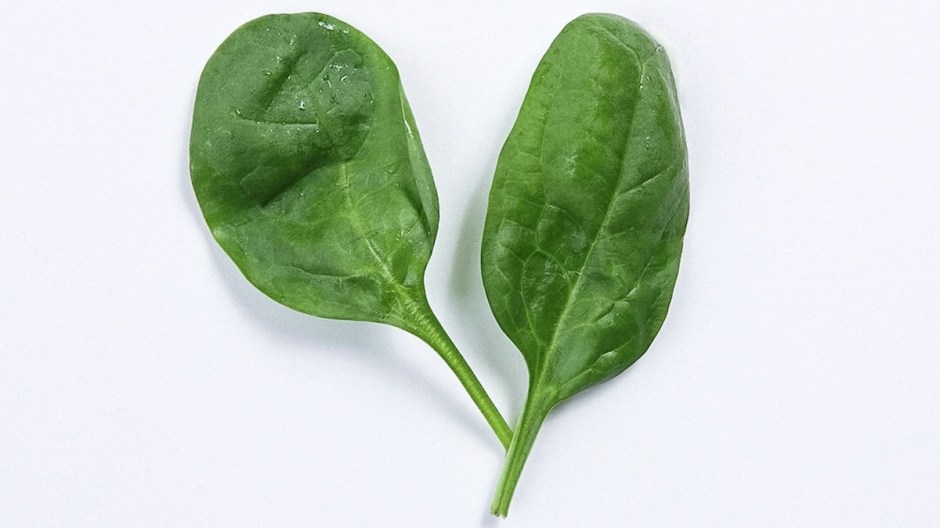
After that, I intentionally moved my default position from “this new food will be yucky” to “this new food might be really tasty.” The adult maturity that is supposed to develop in your late twenties gave me the openness to try new foods, and I haven’t looked back since. Fish, scallops, avocado, beans, hummus, yes, even spinach, are now some of my favorite foods. But I might never have given them a chance if I hadn’t decided to be open to those new tastes.
Openness is a virtue that’s in short supply in our fractured societal landscape. The internet and social media allow us to curate our news intake to receive only things that already confirm our viewpoints. With no outside sources challenging our views, they tend to ossify, to harden like shells around us, making it impossible for us to grow. Our rigid views become the focus of our identities, and any demand to change them feels like a personal attack. So we double down, ignoring anything that does not validate our viewpoints. We become hermit crabs who can’t find bigger shells to expand into.
But here’s the thing: with openness in short supply, we followers of Jesus have the opportunity to model openness to the community around us.
And with today’s Gospel, Jesus gives a pair of lessons in openness. The first one concerns Jesus himself growing more open. He’s up in the city of Tyre, well north of his home country, trying to keep a low profile. But the Syrophoenician woman finds him anyway and begs him to heal her daughter. He responds with a worldview typical of his tribal-focused society, saying that his mission is first for the children of his own land. Then the woman knocks Jesus’ socks off with her reply: her faith is so great that she will make do with the scraps that fall from the table if she must.
With these words, Jesus, I think, recognizes his own socialization. He grew up in an insular society, in which one people had nothing to do with the neighboring tribes. His upbringing has narrowed him into thinking the same narrow things his society believes. But the woman unlocks Jesus’ natural openness with her faithful response. And he revises his original statement. The gift the woman gives Jesus is a realignment of his worldview. He rejects the insular one in favor of an expansive one that more closely reflects the universal love God has for all of God’s creation.
Then Jesus heads back towards his home, but before he enters his own country, he finds himself in the Gentile area called the Decapolis, where people bring him a man who cannot hear or speak. Instead of telling them what he told the Syrophoenician woman, Jesus takes the man aside. The openness the woman instilled in Jesus is having immediate results! Jesus prays that the man’s ears “be opened.” Suddenly he can hear and speak. He proclaims with great zeal what Jesus has done for him.
And so we see a progression. Jesus begins the story in the narrowness of his cultural paradigm. Then the woman’s influence opens him up to a different worldview. Next Jesus takes that worldview to heart and uses it to open up another.
When we intentionally cultivate openness in our lives, we follow this same progression. We take in and integrate different points of view into our experience. This broadens us and allows us to hold what we think about things loosely, always ready to update our views as new information and new relationships provide new data. Instead of developing a hard shell that inhibits growth, we stretch out like a canopy of branches. The branches reach out, opening us to new things, while our roots sink deep into the soil of our deeply held values. And so our values hold the core of our identities, instead of our views. New data can demand a change in our views without it feeling like a personal attack. And the more we practice openness, the more openness digs down and becomes one of our values.
This week, I invite you to do some personal reflection around your relationship to openness. Ask God to help you take an honest inventory of yourself. How hard is the shell made of your viewpoints? Or how wide and deep do your branches and roots spread? If you realize that you have a harder shell than you’d like, what steps can you take to diversify the media, news, and relationships that hold the most sway? If you honestly judge yourself a pretty open person already, how are you modeling for others the value of openness in your life?
When I work with groups of people, including our own vestry, I often start with a series of three questions to frame our discussion. One of the questions comes right from my own experience. I ask them, “What is a food you once disliked but now really enjoy?” This question seems silly at first, and we have fun with it. But the whole reason for asking the question is to get people thinking about times they have, in fact, changed; to reflect on a time when they were, in fact, open to something new. And with that willingness to remain open in the air, the gathering begins with a feeling of expansiveness, where hopefully no one is ready to die on the hill of their rigidly held views.
As Jesus demonstrates his ability to be open, we follow Jesus with our own openness to new ideas, new experiences, and new relationships. In this season of hyper partisan fracture, God invites us to open doors, to open hearts, to open minds, and to spread the openness that makes change possible.
Photo by Gabriel Alenius on Unsplash.

