The liturgy of the Eucharist is best understood as a journey or procession. It is the journey of the church into the dimension of the Kingdom. (Alexander Schmemann)
…Listening In…
Isn’t the cup of blessing that we bless a sharing in the blood of Christ? Isn’t the loaf of bread that we break a sharing in the body of Christ? 17 Since there is one loaf of bread, we who are many are one body, because we all share the one loaf of bread. (1 Corinthians 10:16-17; context)
…Filling Up…
We have reached the penultimate moment in our survey of twelve moments that take place in the typical Episcopal Sunday service. Like the Peace, the act of sharing Communion every Sunday was not commonplace until a little over thirty years ago. The Episcopal Church preferred the service of Morning Prayer and had Communion only occasionally. But with the “new” Prayer Book (that’s in quotations because it came out when Jimmy Carter was president), the church shifted to Communion every Sunday.
So what happens when we take Communion? What’s really going on? Well, I’ll give you two answers. The first is going to sound like I’m copping out, which I am, but for good reason. The second will take up the rest of this discussion. The first answer to what’s really going on is this: “I have no idea.” Seriously – the mystery of the Eucharist is way beyond my pay grade. I do know that something is happening because of the nourishment and joy that people receive when they take Communion, but don’t ask me to do the math.
That being said, here’s the second answer. When we share the bread and wine, we are completing the Eucharistic moment that began with the prayer of consecration. No one can give you a satisfactory answer to when the bread and wine becomes the Body and Blood of Christ. If we could, then the words we say would be magic – hocus pocus, if you will. (By the way, those magic words come from the Latin for “This is my Body.” Cool, huh?). Rather, the blessing of the bread and wine takes the entire Eucharistic moment and culminates in the sharing of the Body and Blood. If we consecrated the elements and then didn’t share them with one another, then that would seem strange right?
The Body and Blood of Christ are meant to be shared. We take in the bread and the wine; thus we partake of the Body and Blood of Christ. But, we too, are members of that same Body. So when we partake of Holy Communion, Christ nourishes us with the sharing of his Body so that we can share of ourselves as his Body. We share our gifts as we do God’s work in the world. And the sharing of Christ in the Eucharist nourishes and empowers us to do so, and to do so together, as the one Body.
…Praying For…
Dear God, you shared your Son with us when you sent him into the world to save the world. Help me to take him and so I may be a part of his Body and serve you, walking in his footsteps. In Jesus Christ’s name I pray. Amen.
…Sending Out…
I leave this moment with you, God, nourished by the bread of life that you sent to the world, Jesus Christ your Son our Lord.
The liturgy of the Eucharist is best understood as a journey or procession. It is the journey of the church into the dimension of the Kingdom. (Alexander Schmemann)
…Listening In…
On the night he was betrayed he took bread, said the blessing, broke the bread, and gave it to his friends, and said, “Take, eat: This is my Body, which is given for you. Do this for the remembrance of me.” After supper, he took the cup of wine, gave thanks, and said, “Drink this, all of you: This is my Blood of the new Covenant, which is shed for you and for many for the forgiveness of sins. Whenever you drink it, do this for the remembrance of me.” (Words of Institution, Eucharistic Prayer C)
…Filling Up…
Our tenth moment in worship is called the “Eucharistic” prayer. While the term “Eucharist” comprehends the entire Sunday worship experience, it is also a special word used for this particular section, as well as a name for the elements of the blessed bread and wine that have been indwelt by the presence of Christ.
Also known as the “prayer of consecration,” the Eucharistic prayer is composed of several parts. The “sursum corda” (Latin for “Lift up your hearts”) is the special exchange between the presider and the congregation, in which the priest asks for permission to pray on the congregation’s behalf. Then the prayer recounts God’s movement in creation, humanity’s downfall and need for salvation, and the coming of Christ. Then the priests prays the “words of institution,” in which we remember Jesus’ last supper with the disciples, and, in remembering, we take part in that supper ourselves. It is not a reenactment of the last supper, but a participation in it. Finally, the priest appeals to the Holy Spirit to dwell in the bread and wine, so that they may be for us the Body and Blood of Christ.
But let’s take a second look at the word “Eucharist.” This fancy word would be much less fancy if you happened to be both from Asia Minor and two thousand years old. This strange looking word simply means “to give thanks.” So, when we come together to share the meal, we are coming together to give thanks to God for all the blessings God has bestowed upon us. The fact that this intentional thanksgiving happens in community reminds us that we must share our blessings just as we share the body and blood of Christ. And it is the very dwelling of Christ in us and we in him that sustains us as we share with others.
When we give thanks to God for the blessings and gifts God has given us, we must remember that thanksgiving is the catalyst for sharing. If we do not share our gifts with others, then we have not truly thanked God for them. This is so important that I’m going to say it again. If we do not share our gifts with others, then we have not truly thanked God for them.
Sometimes, these gifts may seem meager or inadequate, like simple bread and wine. But those are the times we must remember that Christ is there with us, giving thanks for us, and breaking us so he can share himself through our lives with this broken world.
…Praying For…
Dear God, “open our eyes to see your hand at work in the world about us. Deliver us from the presumption of coming to [the] Table for solace only, and not for strength; for pardon only, and not for renewal. Let the grace of […] Holy Communion make us one body, one spirit in Christ, that we may worthily serve the world in his name.” Amen. (Eucharistic Prayer C)
…Sending Out…
I leave this moment with you, God, nourished by the bread of life that you sent to the world, Jesus Christ your Son our Lord.
The liturgy of the Eucharist is best understood as a journey or procession. It is the journey of the church into the dimension of the Kingdom. (Alexander Schmemann)
…Listening In…
Walk in love, as Christ loved us and gave himself for us, an offering and sacrifice to God. (Ephesians 5:2, and an “Offertory Sentence”)
…Filling Up…
Our ninth moment is easy to miss because in the Book of Common Prayer there is no bold heading that says the “Offertory” and no dialogue between the leader and the people. The leader can say a sentence from scripture to trigger the beginning of the offertory, but the suggested words are tucked away in a different place in the book. Often, the choir sings a beautiful anthem during the passing of the collection plates, so unless you are aware of the plate sliding by you, you are liable to miss the whole thing.
But the offertory is just as important as any other piece of our service. In a symbolic action, representatives from the people bring to the altar the gifts of bread and wine and money or other gifts. In most churches the gifts of bread and wine come up first and then a few minutes later the money comes up, thus severing the intimate connection between the two. So let’s imagine for a moment that all the gifts arrive at the altar at the same time. What would we see?
First we would see the bread placed before God, a symbol of the bounty of the earth that the Lord has made. Human hands took that bounty and molded it into the bread that we bless. The same goes for the wine, a symbol of celebration that also comes from the fruit of the earth, pressed and fermented by human hands and feet. Then we see the monetary offering placed before God. In juxtaposition with the bounty of the earth that most certainly sprang up because of God’s goodness, we see our financial gifts given to the glory of God. And we realize that we are simply giving back to God what God has blessed us with.
All of our offerings to God are really our giving to God what is already God’s – sort of like when your parents give you five dollars to buy them a birthday present. The money is theirs, but you’ve taken it and used it for their joy. That is what happens in the offertory.
…Praying For…
Dear God, you give to us out of your abundance, goodness, and love. Help me to have a generous heart, that I may give back to you of the first fruits of all you have blessed me with. In Jesus Christ’s name I pray. Amen.
…Sending Out…
I leave this moment with you, God, nourished by the bread of life that you sent to the world, Jesus Christ your Son our Lord.
(Sermon for Sunday, May 13, 2012 || Easter 6B || Acts 10:44-48 )
The most extraordinary event in the history of the early days of the church happens in today’s first lesson from the Acts of the Apostles. If I asked you to guess what that event might be before hearing the reading, you might suppose that the event is a dramatic conversion, à la Saul becoming Paul on the road to Damascus. Or a miraculous healing, such as Peter accomplishes when he raises Tabitha from the dead. Or a mystical vision like the one Peter sees when God tells him that all animals are clean to eat. Or a memorable speech, which we would have heard if today’s reading were just a bit longer. Each of these events happens leading up to our story today, and each is quite extraordinary. But none is the event I have in mind. No. The most extraordinary event in the history of the early days of the church is simply one person realizing he is wrong and then changing his mind.
That person is Peter. And we might expect Peter to be a hardliner, sticking to all of his positions and presuppositions just because he had been with Jesus from the beginning. After all, Jesus did give Peter the figurative keys to the kingdom. What could be more human of a reaction than for Peter to lock out any change that threatened the integrity of the in-crowd? As I’m sure we’ve all done from time to time, Peter could have stuck his head in the sand, ignored the promptings of the Holy Spirit, and resisted any opportunity for growth, for reconciliation, or for new possibilities.
But that’s not what happens. So here’s the story, beginning with just a bit of background. The society in which Peter grew up was divided between Jews and Gentiles. From Peter’s perspective, Gentiles were any peoples who weren’t Jewish; that is, people who weren’t descended from the twelve tribes of Israel and who didn’t live their lives in the ways proscribed in the Law. Jews and Gentiles didn’t share things in common, they barely associated, and they went about their lives insulated as best they could from the other. There wasn’t necessarily animosity between them, but there was indifference and a lack of connection. Society was just built that way, so no one really questioned the structure.
That is, until one day when Peter is hungry. He asks for some food, and while the meal is being prepared, Peter goes to the roof of the house and receives a vision from God. All of the animals that observant Jews aren’t supposed to eat appear before Peter, and a voice directs him to kill and eat. Peter balks at the command, saying, “By no means, Lord; for I have never eaten anything that is profane or unclean.” But the voice says, “What God has made clean, you must not call profane.” This happens three times until the vision has finally sunk into Peter’s bones.
When the vision ends, Peter looks out from the roof of the house and sees three men approaching. One is a Roman soldier, so they obviously aren’t locals. These Gentiles invite Peter to accompany them to meet another Roman, Cornelius, who has also had a vision from God concerning Peter. Never fearing that he might be walking into a trap, Peter goes with them and meets Cornelius and his whole household. And then Peter preaches a fabulous sermon that proclaims the good news of Jesus Christ.
This is where our passage for this morning picks up the tale. While Peter is still speaking, the Holy Spirit encounters all who hear him. Peter’s companions, who are Jewish believers in Jesus Christ (the term “Christian” hadn’t been invented yet) – these companions are astounded that the Holy Spirit of God would deign to manifest itself through unclean Gentiles. “But what about our in crowd,” they seem to protest. “We thought we were the special ones. We thought we were the ones that had the Holy Spirit.”
Then Peter remembers his vision of the now clean animals. And he finds himself standing at the precipice of a decision. His society, his upbringing, and everything he has ever known pulls him to reconfirm that Jews and Gentiles can never be united, that the good news of Jesus Christ is for Peter’s people alone. But that same Holy Spirit, which is even now dancing around Cornelius and his Gentile family, pulls Peter in a new direction toward unity and acceptance and radical welcome of the estranged other.
And this time Peter doesn’t balk. He asks, “Can anyone withhold the water for baptizing these people who have received the Holy Spirit just as we have?” And then he baptizes them. With these words, Peter admits that he has been wrong about who’s in and who’s out. He changes his mind, and, through the power of the Holy Spirit, the good news of Jesus Christ spreads like wildfire to new peoples who simply would have been written off before.
So what can we learn from this extraordinary event of one person listening to the Holy Spirit, admitting he’s wrong, and changing his mind? Society might tell us that admitting wrong is a sign of weakness, that sticking to your guns shows you have the intestinal fortitude to see things through. But sometimes, we are just plain wrong – in how we treat our loved ones, in how we ignore those in need, in how we categorize people who are different from us. With God’s help, we can admit our wrong in these areas and change our minds, thus opening the door for growth, reconciliation, and new possibilities.
This is a really good movie. Check it out if you haven’t seen it. Bet it’s at your local library.
Consider John Newton, who for many years was the captain of a ship that packed free people from Africa into hellish holds and delivered them as slaves to the Americas. After a stroke, Newton gave up his active participation in the slave trade and became an Anglican clergyman, but for over three decades he remained silent about the horrors he had witnessed and engaged in. Then, in 1788, Newton finally admitted his wrongdoing, saying: “[The slave trade] will always be a subject of humiliating reflection to me, that I was once an active instrument in a business at which my heart now shudders.” Newton went on to be an ally of William Wilberforce, who was the main voice in abolishing the slave trade. We can fault Newton for staying silent all those years, but we can also give thanks that he finally did change his mind and began to work for freedom and justice. Perhaps you’ve heard some words that Newton penned: “I once was lost but now am found, was blind but now I see.”
Or consider the General Convention of the Episcopal Church, which throughout the 1970s struggled with the decision to ordain women to the priesthood. In 1979, the church listened to the Holy Spirit and changed its mind. And a good thing to, or we at St. Stephen’s would never have been blessed to have Margot as our rector.
Or consider our lives among our families today. How many of us have argued with a parent or a child, a spouse or a sibling? The fight rages and neither side gives in. There’s blame to go around but no one leaves the trenches, no one makes the first move towards disarmament. Pretty soon, we can’t even remember why the fight started, but that doesn’t matter because now the primary purpose is to come out on top rather than to come to a mutually beneficial decision. Who will blink first? Who will be the first to admit the wrongness of the escalation? Who will change their minds in order to find reconciliation?
Peter’s courageous turnabout teaches us that the Holy Spirit is always active in our lives, always surprising us with new possibilities that we hadn’t imagined before. This same Holy Spirit helps us take the opportunities to admit our wrongs and to change our minds. This same Holy Spirit, who danced around those unlikely Gentiles, also dances around and within us. What positions and presuppositions do we hold on to so tightly today that the Holy Spirit might prompt us to let go of tomorrow? What blindness do we cling to that the Holy Spirit will lift so we can joyfully sing, “I was blind but now I see?”
I pray that when the Holy Spirit moves in our lives, giving us the courage to change our lives for the betterment of ourselves, our church, and this world, we may, like Peter, take hold of the Spirit’s hand and dance along.
The purpose of the worship of God is to help us see our dependence on God and the vast resources that God wants to lavish on our lives. (Ian S. Markham)
…Listening In…
“I have spoken these things to you while I am with you. The Companion, the Holy Spirit, whom the Father will send in my name, will teach you everything and will remind you of everything I told you. Peace I leave with you. My peace I give you. I give to you not as the world gives. Don’t be troubled or afraid.” (John 14:25-27; context)
…Filling Up…
Our eighth moment in the typical worship service is something that wasn’t part of a typical worship service until a little more than thirty years ago. Well, let me rephrase – the passing of the peace of the Lord is one of the oldest traditions in the worship of the Christian church, dating back to the “kiss of peace” in the earliest days of Christianity. Then at some time over the centuries, it fell out of practice, only to be recovered in the Book of Common Prayer that we use now in the Episcopal Church. (Other denominations pass the Peace, as well.)
The Peace is the fulcrum of the service, the pivot point between the liturgy of the Word (everything we’ve been discussing up until now) and the liturgy of the Table (everything we will discuss following this). We have praised God, listened to scripture and interpretation, said what we believe, prayed, and confessed our sins. Soon we will partake of Holy Communion. But first, we pause to practice greeting one another with the peace of God.
Peace is not just the absence of conflict. In a greater sense, peace is the abiding presence of God. When we greet one another with the peace of God, we express our desire that the other may forever be held in the palm of God’s hand, may forever abide in God’s presence. During our worship, we practice this greeting in the safe space of the church among those with whom we feel comfortable. It becomes easy to bring God’s peace to our fellow churchgoers.
But the challenge is taking the peace of God out into the world where it is sorely needed. Just imagine how different we could make the world if we brought with us into every handshake and high five and wave and embrace, the peace, which passes all understanding. God’s abiding presence exists with or without our awareness of it, but when we move through our lives wrapped in the peace of God, we will affect everyone we encounter for the better.
…Praying For…
Dear God, you are the source of all peace; help me to dwell in the ocean of that peace whenever my heart is troubled so that I may know that I am in your presence and have nothing to fear. In Jesus Christ’s name I pray. Amen.
…Sending Out…
I leave this moment with you, God, glad to have the opportunity to worship you freely and to bring my weekend worship into my weekday life.
The purpose of the worship of God is to help us see our dependence on God and the vast resources that God wants to lavish on our lives. (Ian S. Markham)
…Listening In…
Most merciful God, we confess that we have sinned against you in thought, word, and deed, by what we have done, and by what we have left undone. We have not loved you with our whole heart; we have not loved our neighbors as ourselves. We are truly sorry and we humbly repent. For the sake of your Son Jesus Christ, have mercy on us and forgive us; that we may delight in your will, and walk in your ways, to the glory of your Name. Amen. (The Confession Sin)
…Filling Up…
Our seventh moment follows on the heels of our sixth, the Prayers of the People. The seventh moment is the Confession of Sin. Its location is no accident in the service of Holy Eucharist. We confess our sins very soon before we take communion. This gives us an opportunity to examine our consciences, ask for and accept forgiveness from God, and then take in the nourishment offered through Communion so that we can be strengthened to follow Christ more closely in our lives.
The Confession comes right after the Prayers of the People because the prayers can help us see where we have fallen short, where we have missed the mark, where we have separated ourselves from God. The Confession of Sin and the Absolution proclaimed on God’s behalf by the priest reconcile us to God, repairing the relationship that we have let slip but which God never abandons.
But there’s something more to the Confession of Sin. Notice in the words above that the Confession is entirely plural. When we confess during the service, we confess as a group. We confess our complicity in all of the big sins of the world that we are part of simply because we exist in a system that is broken. We may not be able right away to break out of that system, but by confessing our complicity we show our desire to be part of the solution rather than part of the problem. The reconciliation that happens through the Confession and Absolution reconnects us to God, who is the source of the solution. Thus, we are able to pull ourselves just a little bit more out of the muck of the broken system of this world.
The more we confess this corporate sin, the more readily are we able to see the brokenness in the system for what it consists of – injustice, domination, disparity, fear, apathy. Why would we want to be part of that?
…Praying For…
Dear God, help me to look at the world through your eyes so that I can see a place of beauty that is scarred by humanity’s brokenness, of which I am a part; and then help me to break free of the system so that I can join you as part of the solution. In Jesus Christ’s name I pray. Amen.
…Sending Out…
I leave this moment with you, God, glad to have the opportunity to worship you freely and to bring my weekend worship into my weekday life.
The purpose of the worship of God is to help us see our dependence on God and the vast resources that God wants to lavish on our lives. (Ian S. Markham)
…Listening In…
Grant, Almighty God, that all who confess your Name may be united in your truth, live together in your love, and reveal your glory in the world… Guide the people of this land, and of all the nations, in the ways of justice and peace; that we may honor one another and serve the common good… Give us all a reverence for the earth as your own creation, that we may use its resources rightly in the service of others and to your honor and glory. (excerpt from Form IV of the Prayers of the People)
…Filling Up…
In the very center of our service, we come to our sixth moment – the Prayers of the People. I love the fact that these prayers fall in the middle because their location reminds us of the centrality of prayer in our lives. Of course, the entire service is prayer, but in the very center we find these prayers dedicated to God working in very specific facets of our lives and in the life of the world.
Indeed, the Prayers of the People follow a prescribed formula. We pray for “The Universal Church, its members, and its mission; the Nation and all in authority; the welfare of the world; the concerns of the local community; those who suffer and those in any trouble; and the departed.”
In each of these categories, we invite God to be present and to be at work. But these categories also function as the map for our own service. When we pray these prayers, we can ask ourselves how we are participating in God’s work in each area – in the church, in our country, in the world, in our local community, among those who are in trouble. In the final category we pray for those who have died to remind ourselves that our service to God and God’s relationship with us does not end when we pass away. Rather, the relationship becomes more perfect. This hope propels us to continue working to bring God’s reign ever closer here on earth.
Prayer is central to our lives. Anything we do in response to God’s movement is prayer – this includes kneeling at our bedsides, serving at the homeless shelter, singing songs of praise, sitting in silence just listening, and so many other responses that it would take a lifetime to list them all. The more we strive to be responsive to God’s call in our lives, the more we will be praying, and the more central will God be as we move through our days.
…Praying For…
Heavenly Father, you have promised to hear what we ask in the Name of your Son: Accept and fulfill our petitions, we pray, not as we ask in our ignorance, nor as we deserve in our sinfulness, but as your know and love us in your Son Jesus Christ our Lord. Amen. (from the Collects at the Prayers)
…Sending Out…
I leave this moment with you, God, glad to have the opportunity to worship you freely and to bring my weekend worship into my weekday life.
The purpose of the worship of God is to help us see our dependence on God and the vast resources that God wants to lavish on our lives. (Ian S. Markham)
…Listening In…
We believe in one Lord, Jesus Christ, the only Son of God, eternally begotten of the Father, God from God, Light from Light, true God from true God, begotten, not made, of one Being with the Father. (An excerpt from The Nicene Creed)
…Filling Up…
Our fifth moment in our worship service links us to all of the followers of Jesus Christ that have gone before us. We speak the words of the Creed (usually the “Nicene” Creed), thus setting ourselves in the tradition of our forebears who transmitted the faith to us. The church has survived for as long as it has because of this transmission of tradition. The church has gone through its difficult periods, its divisions, its dark times, but it has persisted, flourished even.
The Nicene Creed was compiled through the work of the First Ecumenical Council held in the year 325 at Nicaea in modern day Turkey. A main topic of discussion at the meeting had to do with exactly who Jesus was. Was he, as the Second Person of the Trinity, of one being with the Father, who is the First Person of the Trinity? Or was he just a really swell guy, the best person ever, but still a being created by God and thus not one with God? The latter view was pretty popular, but there was a big problem with it: if Jesus were just the best person ever, then worshiping him was idolatry.
So the Council promulgated the former view – that Jesus Christ, the Son of God, was of one being with the Father, who with the Holy Spirit was one God in a Trinity of persons. It wasn’t as cut and dried as these two paragraphs make it out to be, but that’s the gist of what happened.
The important thing to remember for our discussion is that we are inheritors of this tradition. We believe in one God, the Father Almighty, and so on and so forth. Whenever we say these words, we echo the billions of people who have said them before, thus linking us with the great cloud of witnesses that supports us during our worship.
…Praying For…
Dear God, thank you for guiding your Church through all the changes and chances of this life, even as we are imperfect in our devotion and our action. Help me to pass on the faith to my descendants as it was passed on to me. In Jesus Christ’s name I pray. Amen.
…Sending Out…
I leave this moment with you, God, glad to have the opportunity to worship you freely and to bring my weekend worship into my weekday life.
The purpose of the worship of God is to help us see our dependence on God and the vast resources that God wants to lavish on our lives. (Ian S. Markham)
…Listening In…
Jesus did many other things as well. If all of them were recorded, I imagine the world itself wouldn’t have enough room for the scrolls that would be written. (John 20:25; context)
…Filling Up…
Our fourth moment of our typical worship service is really several moments stitched together. In a standard service, we read several items from the Bible, and then a preacher delivers a sermon inspired by something in one of the readings. Rather than giving the sermon its own moment, we weave it together with the readings because the two shouldn’t be separated. We call the readings “The Word of the Lord,” and we hope to hear a message that is a word from the Lord. Faithful preaching is a mysterious mixture of study, prayer, listening, and proclaiming, all wrapped in trust that the Holy Spirit is present in the spoken word so that the lowly words of the preacher might be elevated into lofty inspiration from God.
But let’s back up a step and look at the readings. In a typical service, we read a lesson from the Hebrew Scriptures (often called the “Old” Testament), a portion of one of 150 psalms (which were basically the hymnal to the ancient Hebrews), a lesson from the New Testament (usually part of a letter written to a church or a person), and a lesson from one of the four accounts of the Gospel. We bring the Gospel into the midst of the people as an example for what the Gospel calls us to do; that is, to bring the Good News (which is what “Gospel” means) out into the world through our proclamation, our service, and our love.
The sermon follows the readings not only because its purpose is to elucidate them, but also because the sermon shows that the Word of God is still alive. The sermon takes the passages from the Bible, which have been set for nearly 2,000 years, and shows what happens when the Holy Spirit encounters us through the text. In each sermon, the Holy Spirit breathes new life, new interpretation, new interactions between us and the Word. Every sermon, therefore, is a life-giving engagement with God’s Word, with God’s Good News.
Thus, our fourth moment is about meeting God in the ancient text, which is just as alive now as it was 2,000 years ago. Because it is alive, it can seep into our beings and dwell within us, animating us to be God’s messengers to a world sorely in need of good news.
…Praying For…
Dear God, your Son Jesus continues to move in our lives and continues to write his good news on the vellum of our hearts; help me to be one of the scrolls that he is writing, that the world may be filled with your message of love and hope. In Jesus Christ’s name I pray. Amen.
…Sending Out…
I leave this moment with you, God, glad to have the opportunity to worship you freely and to bring my weekend worship into my weekday life.
Worship is a way of seeing the world in the light of God. (Abraham Joshua Heschel)
…Listening In…
Glory to God in the highest, and peace to his people on earth. Lord God, heavenly King, almighty God and Father, we worship you, we give you thanks, we praise you for your glory. Lord Jesus Christ, only Son of the Father, Lord God, Lamb of God, you take away the sin of the world: have mercy on us; you are seated at the right hand of the Father: receive our prayer. For you alone are the Holy One, you alone are the Lord, you alone are the Most High, Jesus Christ, with the Holy Spirit, in the glory of God the Father. Amen. (The Gloria)
…Filling Up…
Our third moment in our 12 part series follows directly after the second moment. For most of the church year (excluding Advent and Lent), the familiar words above follow the Collect for Purity. They make up what is known as the “Gloria” (short for “Gloria in excelsis Deo,” which is just the first line in Latin). For much of the church’s history the Gloria actually came near the end of the service, rather than near the beginning. The Gloria does good work in either place – either as a culmination of our praise or an introduction to it. But the current Episcopal Book of Common Prayer puts it at the beginning, so it is in that location that we’ll discuss it.
At the beginning of the service, the Gloria helps us to remember the first reason why we worship. We worship because God’s very being draws praise from us. Our fundamental nature as children of God includes the instinct to worship, and when we come together on Sunday mornings, that instinct plays out – not because God needs to be flattered or appeased, but because God’s love causes us to desire to praise.
But this praise doesn’t end at the conclusion of the Gloria or at the conclusion of the service. By praising God with these words week in and week out, we exercise our praising muscles, which helps us to live by Paul’s instruction to “rejoice always” (1 Thessalonians 5). We say the Gloria each Sunday whether or not we feel much like praising God, whether or not there is much to rejoice about. When we praise even if we don’t feel much life praising, we are not being hypocrites. Rather, we are acknowledging a truth about life – that even in our darkest days, there is always a glimmer of light; that even when we are being crushed by the weight of dire circumstances, there is always some small reason for joy. Sometimes just a sliver, but that sliver is a tether to the God who never abandons us and will patiently wait until we are ready to praise again.
…Praying For…
Dear God, because of who you are you cause praise to spring to my lips. Help me to notice your presence in my life so that I can be reminded to rejoice always in every situation, even when the joy is so hard to find. In Jesus Christ’s name I pray. Amen.
…Sending Out…
I leave this moment with you, God, ready to order my life around your movement in it and hopeful that you will continue to show me the way.

 …Opening To…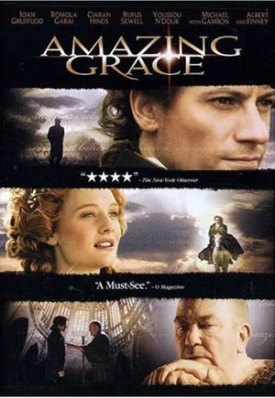
 …Opening To…
 Where the Wind...